TL;DR- Rental inspection reports provide a definitive legal record of property condition to prevent disputes between landlords and tenants across Canada.
- Provincial laws generally require move in and move out inspections to manage security deposit claims and establish a baseline for reasonable wear and tear.
- A thorough exterior assessment must evaluate roofing, foundation integrity, and water drainage to prevent structural decay from Canadian winter cycles.
- Interior inspections should prioritize the verification of smoke and carbon monoxide alarms, which are mandatory under fire codes and must be tested at every tenancy change.
- Identifying red flags such as musty odors, water stains, or flickering lights can prevent small maintenance issues from becoming catastrophic failures.
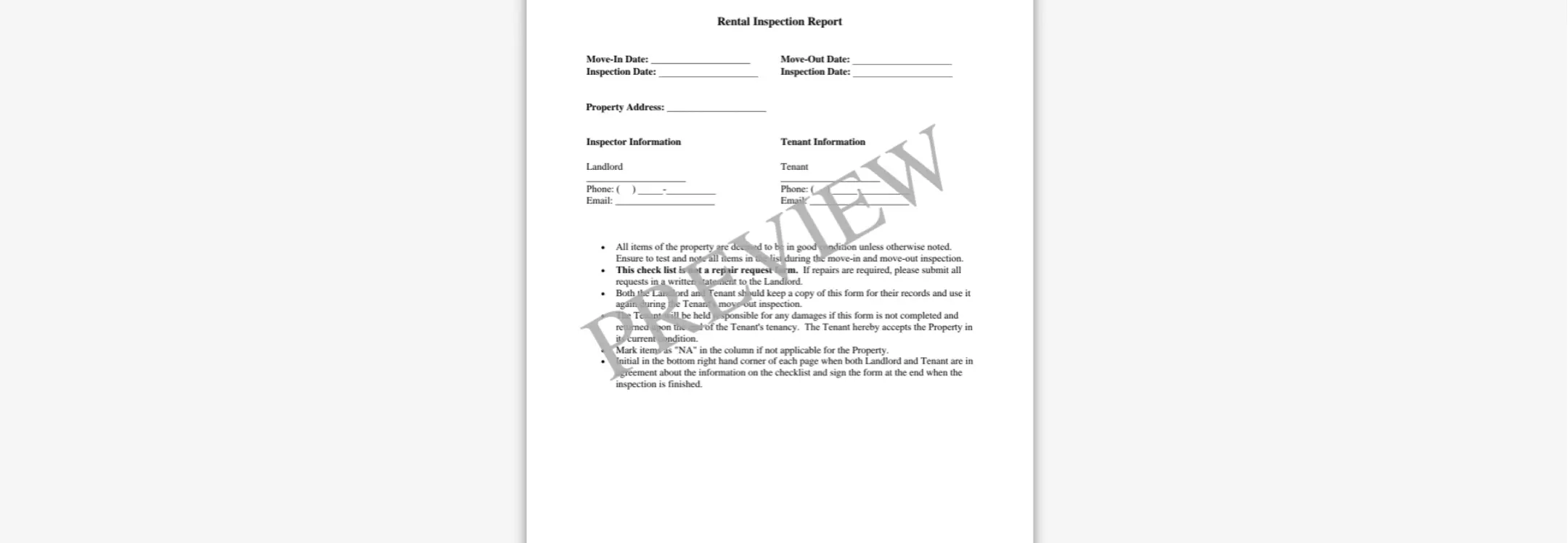
- Documentation through high resolution photographs and online property inspection report templates like the one from Ziji Legal Forms ensures that all parties have an objective, shared timeline of the property.
Introduction: Why Property Inspections Matter
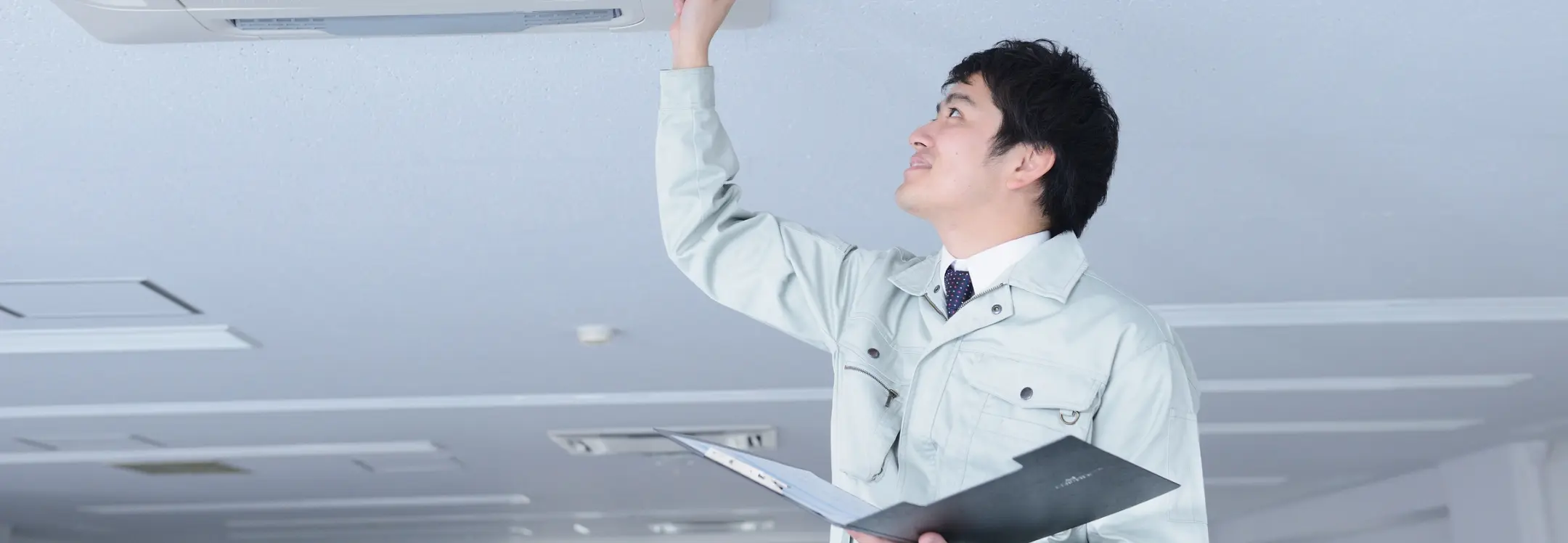
The relationship between a landlord and a tenant in Canada is governed by a complex web of provincial statutes designed to ensure fairness, safety, and the preservation of housing stock. At the heart of this relationship lies the property inspection report, a document that serves as both a shield and a bridge. This report is far more than a simple checklist; it is a professional record that establishes the physical reality of a rental unit at the exact moment a lease begins. By documenting every scratch on a hardwood floor or the functioning state of a furnace, both parties enter the agreement with clear expectations and mutual accountability.
In the competitive Canadian rental market, where vacancies can be low and property values high, the financial implications of property damage are significant. An inspection report acts as a critical risk management tool for the property owner, ensuring that their investment is being treated with the care required by the lease agreement. For the tenant, the report is a vital protection against the unfair forfeiture of a security deposit. It ensures that they are not held responsible for the actions of previous occupants or the natural aging of the building, which is legally defined as reasonable wear and tear.The psychological value of a thorough inspection cannot be overstated, as it sets a professional tone for the entire tenancy. When a landlord takes the time to walk through a unit with a tenant, it demonstrates a commitment to maintaining the property and a respect for the tenant's right to a habitable home. This transparency often leads to better communication throughout the lease term, as tenants feel more comfortable reporting minor issues before they escalate into major repairs. In many Canadian jurisdictions, the failure to perform these inspections can result in the automatic loss of the landlord's right to claim any portion of a security deposit.
Ultimately, property inspections are about health and safety. The rigorous assessment of systems such as heating, plumbing, and fire suppression ensures that the unit meets the minimum standards of habitability required by law. In a climate where extreme cold and high humidity are common, these inspections identify vulnerabilities that could lead to mold growth or burst pipes. By adhering to a standardized inspection process, landlords and tenants contribute to the overall safety of the Canadian housing landscape, protecting both lives and property.
When to Use a Property Inspection Report
Determining the appropriate moments to conduct an inspection is essential for maintaining a continuous and reliable history of the property. In Canada, the law provides specific windows of opportunity for these assessments to ensure they are accurate and fair to both parties. While the most obvious times are at the transition of occupancy, periodic checks during the lease are equally important for long term property health. Each type of inspection carries its own set of legal requirements regarding notice, participation, and documentation.
The effectiveness of an inspection report depends heavily on its timing and the presence of both the landlord and the tenant. An inspection conducted in an empty unit provides the most accurate picture, as there are no rugs, furniture, or wall hangings to hide defects. This transparency is the foundation of the legal record and is often the primary evidence used in any future dispute resolution or arbitration hearings.
Before Move-In or After Move-Out
The move in inspection should occur on the day the tenant takes possession or within a very narrow window before they move their belongings into the space. This is often referred to as a walk through, where both parties move room by room to note the condition of every surface and fixture. In provinces like British Columbia and Alberta, the landlord must offer the tenant at least two opportunities to participate in this inspection, and the final report must be signed by both parties to be legally binding. This initial report becomes the gold standard against which all future claims are measured.
Similarly, the move out inspection must happen once the tenant has removed all their belongings and cleaned the unit, ideally on the final day of the tenancy. This allows the landlord to identify any new damage that occurred during the lease term, excluding reasonable wear and tear. If the move in report noted that the walls were freshly painted and the move out report shows large holes or unauthorized colors, the landlord has a clear, documented basis for a claim against the security deposit. The comparison between these two reports is the most common method for resolving deposit disputes in Canadian provincial courts.
During Periodic Maintenance Checks
Periodic inspections are conducted during the course of the tenancy to ensure the property is being maintained and to catch any emerging issues. In many parts of Canada, a landlord has the right to inspect the property as often as once per month, provided they follow strict rules for entry. The landlord must typically provide at least twenty four hours of written notice, specifying the date and time of entry, which must fall between eight in the morning and eight or nine in the evening depending on the local regulations.
These routine checks are invaluable for identifying maintenance needs that a tenant might overlook or hesitate to report. For example, a slow leak under a kitchen sink can cause significant rot and mold if left unaddressed for a year, but a periodic check allows the landlord to fix a ten dollar seal before it becomes a thousand dollar cabinet replacement. Furthermore, these visits allow the landlord to verify that the tenant is adhering to the lease terms, such as occupancy limits or pet policies, while also ensuring that essential safety devices like smoke alarms have not been tampered with or disabled.
The Essential Property Inspection Checklist
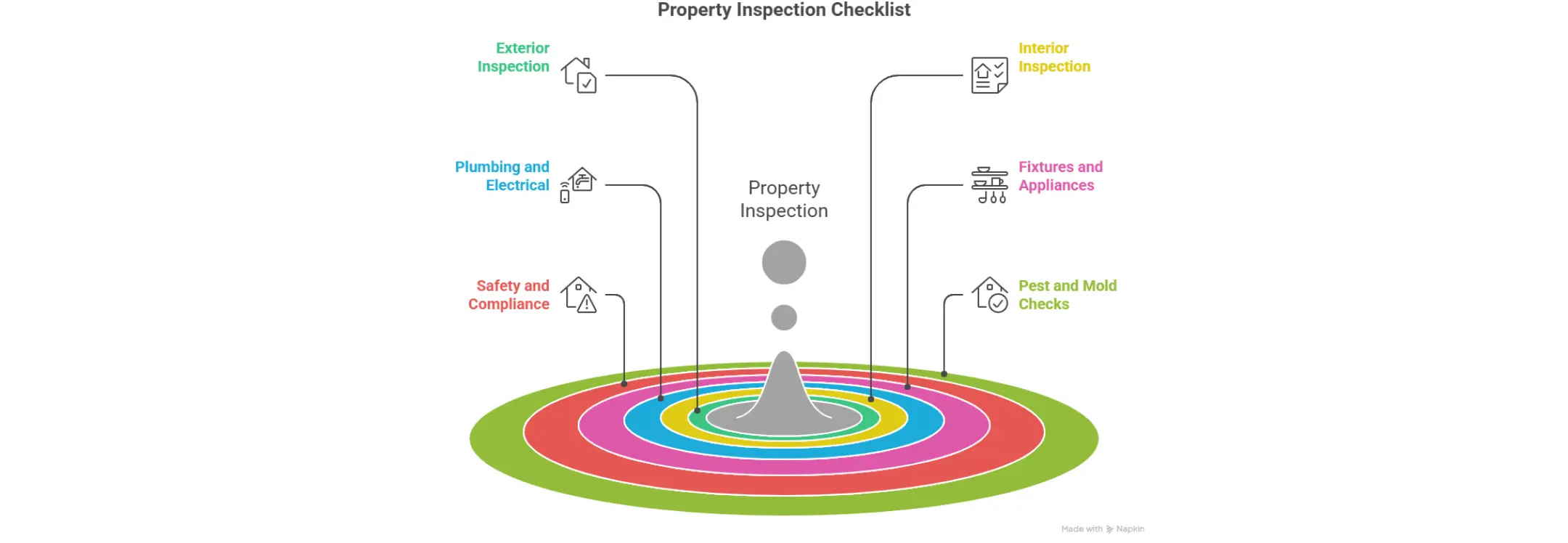
A professional property inspection in Canada requires a high degree of detail to be effective. It is not enough to simply state that a room is in good condition; the report should break down the room into its constituent parts, from the ceiling to the baseboards. By following a structured checklist, the inspector ensures that no hidden corner or critical system is ignored. This systematic approach is especially important in the Canadian context, where the changing seasons place unique stresses on building materials and mechanical systems.
Exterior Inspection
The exterior of the property is the first line of defense against the harsh Canadian climate. An inspection should begin with the roof, looking for missing shingles, damaged flashing around chimneys, or signs of sagging that could indicate structural weakness. Given the prevalence of heavy snow and ice, the condition of the gutters and downspouts is paramount. They must be clear of debris and designed to direct water at least five feet away from the foundation to prevent the hydrostatic pressure that leads to basement leaks.
The foundation itself must be inspected for cracks or signs of shifting, particularly after the spring thaw when the ground is most saturated. Siding and exterior paint should be checked for gaps or peeling that could allow moisture to penetrate the building envelope. Additionally, the grading of the land should be assessed to ensure it slopes away from the structure. Any exterior structures such as decks, balconies, or porches must be tested for stability, as wood rot in support beams is a common and dangerous issue in damp regions.
Interior Inspection
Inside the unit, the inspection must focus on both cosmetic and structural elements. Walls and ceilings should be scanned for any discoloration, stains, or bubbling paint, which are often the first signs of an active leak from the roof or the plumbing above. Floors require a close look to identify stains, deep scratches in hardwood, or tears in linoleum that could pose a tripping hazard. It is also important to test all doors and windows to ensure they open, close, and latch properly, which is essential for both security and energy efficiency.
Windows are a particularly sensitive area in Canadian homes due to the extreme temperature differentials between inside and outside. The inspector should check for drafts around the frames and look for fogging between the panes of double glazed windows, as this indicates a failed thermal seal. All closets and storage areas should be opened to check for signs of moisture or pests that might be hiding in dark corners. The overall cleanliness of the unit should also be noted, as this often reflects the general care the property has received.
Plumbing and Electrical Systems
The plumbing and electrical systems are the most complex and potentially dangerous components of a rental property. In the plumbing system, every faucet must be turned on to check for adequate water pressure and proper drainage. The area under every sink must be inspected with a flashlight for any signs of dampness, corrosion on pipes, or water damage to the cabinetry. Toilets should be flushed to ensure they operate correctly and do not run continuously, which can lead to excessive water bills.
The electrical inspection focuses on safety and code compliance. The main breaker panel should be accessible and correctly labeled, with no signs of overheating or "DIY" wiring. All outlets and switches should be tested to ensure they are functional and securely attached to the wall. In areas near water, such as kitchens and bathrooms, the presence and functionality of Ground Fault Circuit Interrupter outlets are required by law to prevent accidental electrocution. Any outlets that feel warm to the touch or show scorch marks must be addressed immediately by a licensed professional.
Fixtures and Appliances
Every appliance provided by the landlord is a part of the rental contract and must be in working order. The refrigerator and freezer should be checked for proper temperature settings and seal integrity. The stove and oven must be tested to ensure all burners and heating elements function correctly. It is also a best practice to run a short cycle on the dishwasher and the washing machine to check for leaks or unusual noises that could indicate a mechanical failure is imminent.
Built in fixtures such as light fittings, ceiling fans, and bathroom exhaust fans also require attention. Exhaust fans are especially critical in Canada for preventing moisture buildup in bathrooms, which is a leading cause of mold growth. If the property includes a water heater, its age and condition should be noted, as tanks older than ten years are at a significantly higher risk of failure. Recording the make, model, and serial numbers of all major appliances can help the landlord track maintenance schedules and warranty information.
Safety and Compliance
Safety systems are the most important part of any inspection report because they directly impact the life and health of the occupants. In Canada, landlords are legally required to provide and maintain working smoke alarms on every level of a dwelling and outside all sleeping areas. Furthermore, carbon monoxide alarms are mandatory if the home has a fuel burning appliance, a fireplace, or an attached garage. These devices must be tested during the inspection to ensure they respond and that their batteries are fresh.
Beyond alarms, the inspector should verify that all emergency exits are clear and functional. For example, basement bedrooms must have windows that meet specific egress size requirements to allow for escape in the event of a fire. If fire extinguishers are provided, they must be checked for their expiry dates and pressure levels. In some multi unit buildings, fire rated doors between the garage and the living space must also be inspected for integrity and proper self closing mechanisms.
Pest and Mold Checks
Pests and mold are significant threats to the habitability of a property and the health of its tenants. An inspection should include a search for signs of rodent activity, such as droppings or chewed insulation, as well as evidence of insect infestations like cockroaches or bedbugs. These issues often begin in kitchens and bathrooms where food and water are present. Early detection is key to preventing a building wide infestation that can be incredibly difficult and expensive to remediate.
Mold is a major health concern in Canada, especially in well insulated, airtight homes where moisture can become trapped. The inspector should look for visible mold patches in damp areas and stay alert for the telltale musty or earthy odor that suggests hidden growth. Health Canada classifies mold growth into small, medium, and large areas, with anything over three square meters requiring professional remediation. Identifying the source of the moisture, whether it is a plumbing leak or poor ventilation, is the only way to permanently solve a mold problem.
Red Flags That Shouldn't Be Ignored
During an inspection, certain observations should be treated as high priority warnings that require immediate investigation. Water stains on the ceiling are perhaps the most common red flag; they indicate that water has already bypassed the exterior envelope or the internal plumbing and is likely saturating the insulation and framing. If the stain is soft or crumbling to the touch, the leak is likely active and could lead to a structural collapse or a major mold outbreak if not fixed immediately.
Another critical red flag is the presence of efflorescence, which appears as white, powdery salt crystals on concrete or masonry walls in the basement. This is a clear sign that moisture is moving through the foundation, often bringing minerals with it as it evaporates. While the powder itself is harmless, it indicates that the exterior drainage or waterproofing has failed. Over time, this constant moisture can weaken the foundation and create the high humidity levels that allow toxic mold species to thrive.
In the electrical system, flickering lights or outlets that emit a faint buzzing sound are indicators of loose connections or arcing. These issues are a leading cause of residential fires in Canada and should never be dismissed as simple quirks of an older building. Similarly, if a tenant reports that a circuit breaker frequently trips when a certain appliance is used, the system may be overloaded. A professional electrician should evaluate these symptoms to ensure the property meets modern safety standards and can handle the electrical demands of the occupants.
Finally, olfactory cues are powerful diagnostic tools. A strong musty odor in a room where no mold is visible often means that there is hidden growth inside the wall cavities or under the subfloor. This is common after a flood or a plumbing leak that was not properly dried out within forty eight hours. Additionally, a faint smell of gas near a stove or water heater is an emergency that requires immediate evacuation and professional repair. These sensory signals are often the first and only warnings of a problem that could jeopardize the safety of the entire building.
Tips for Conducting a Thorough Inspection
The quality of an inspection depends largely on the thoroughness of the documentation. It is essential to use a standardized condition inspection report form, which ensures that no room or system is overlooked. Inspectors should take high resolution photographs and videos of every room, focusing on both the overall state of the area and close up shots of any identified damage. These images should be date and time stamped to create an objective visual timeline that can be used as evidence in the event of a dispute.
When inspecting, it is best to be systematic, moving in a consistent direction through each room, such as clockwise, to ensure every wall and fixture is checked. Carrying a basic toolkit that includes a flashlight, an outlet tester, and a moisture meter can help identify issues that are not visible to the naked eye. It is also helpful to be descriptive in the notes; instead of writing "damaged wall," a more useful note would be "three inch hole in drywall, two feet above baseboard on north wall." This level of detail makes it much easier to compare reports at a later date.
Communication and cooperation between the landlord and the tenant are the most effective ways to ensure a successful inspection. Inviting the tenant to participate in the walk through allows them to voice their concerns and ensures they agree with the documented condition of the unit. If repairs are identified, the landlord and tenant should agree on a timeline for completion and record this directly on the inspection report. This collaborative approach builds trust and helps prevent the misunderstandings that often lead to legal conflict at the end of a tenancy.
Simplify the Process with Ziji Legal Forms
Modernizing the inspection process is the best way to ensure accuracy and legal compliance in the Canadian rental market. Digital tools like Ziji Legal Forms provide a structured environment where landlords can generate professional reports that are tailored to the specific laws of their province. By using an online platform, the risk of missing a required legal disclosure or forgetting a critical system check is virtually eliminated. This efficiency saves time and provides peace of mind for both property owners and residents.
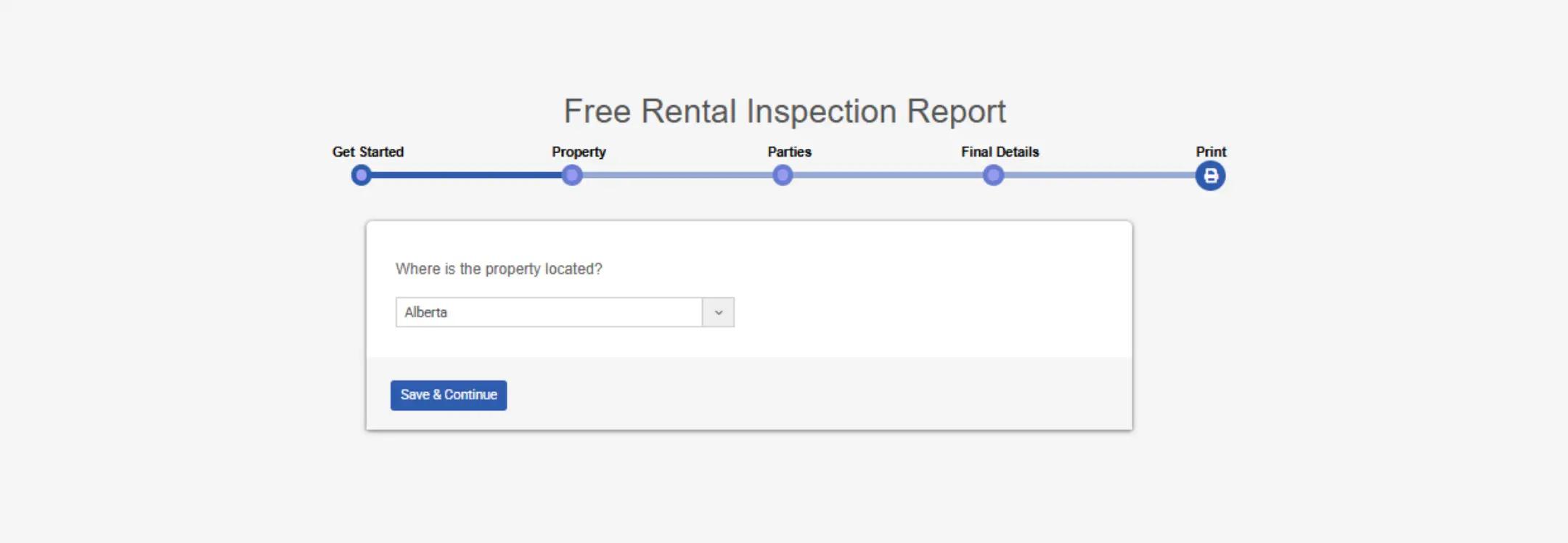
1. Choose template
2. Add Property Details
The property details including the specific address and unique characteristics of the unit are entered into the system.
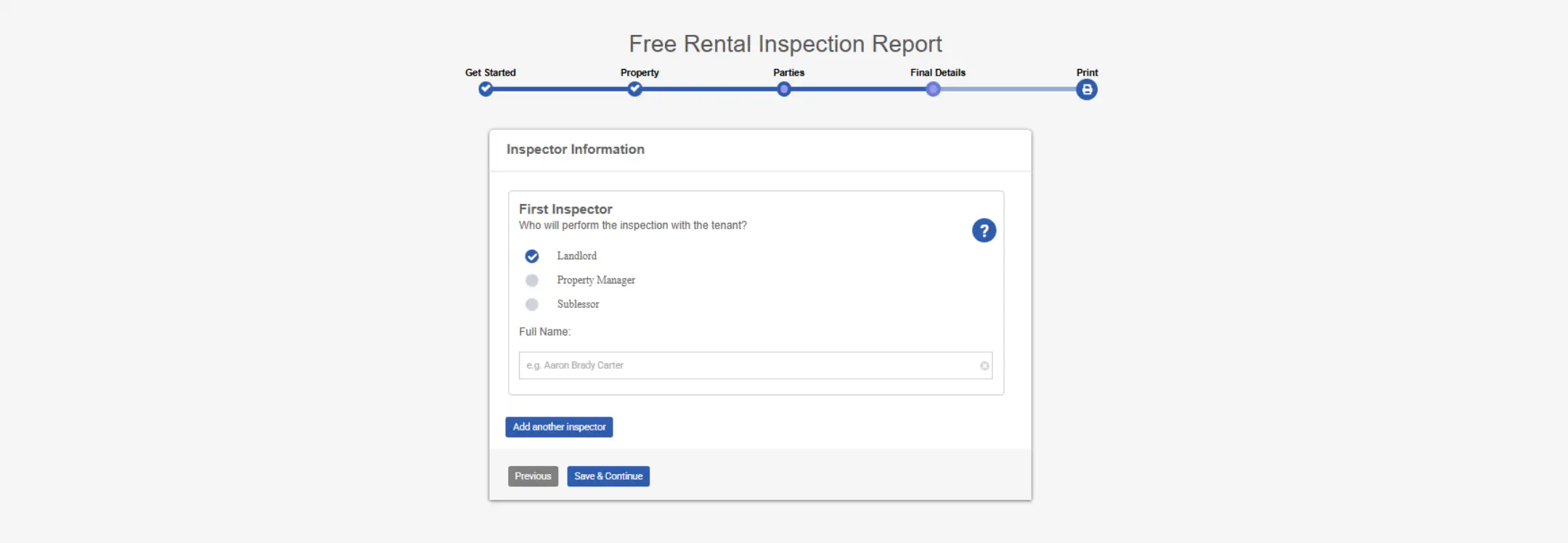
3. Add Party Details
All relevant party information for both the landlord and the tenant is added to the document to establish a clear legal record.
4. Add Final Details
Final details concerning the specific inspection findings and any repair agreements reached between the parties are included.
5. Preview and print
The final document is previewed for accuracy and then printed for the physical walk through and signature by both parties.
Conclusion
Property inspections are a cornerstone of responsible property management in Canada, providing safety for tenants and financial security for landlords. By adhering to a comprehensive checklist and utilizing professional documentation tools, both parties can enjoy a transparent and professional rental experience. Utilizing digital platforms like Ziji Legal Forms simplifies these essential tasks and ensures that every tenancy begins and ends on a solid legal foundation.
Rental Inspection Report FAQs
What is a Rental Inspection Report or Checklist?
A Rental Inspection Report is used by Canadian landlords or property managers to evaluate and document the condition of the rental property before a tenant moves in and after they vacate. This document is essential to ensure both parties agree on the state of the property, helping to avoid conflicts over security deposits and damage claims when the lease ends. It records the condition of key elements, including fixtures and appliances, providing transparency and accountability during the rental process.
Why should I use a Rental Inspection Checklist in Canada?
Using a Rental Inspection Checklist is crucial for Canadian landlords and tenants to protect their rights. This checklist creates a detailed record of the property's condition, reducing the chances of disputes over damages, repairs, or security deposit refunds. Landlords can track the property’s state, while tenants have proof of any pre-existing damage, ensuring fair treatment during the move-out process.
How do I complete a Rental Inspection Report?
To complete a Rental Inspection Report in Canada, conduct a thorough walkthrough with the tenant before they move in, documenting the condition of each area, including appliances, floors, walls, windows, and fixtures. After the tenant moves out, repeat the inspection and compare both reports to identify any damage beyond normal wear and tear. This process ensures clarity for both parties regarding any deductions from the security deposit.
What items should be included in a Canadian Rental Property Inspection Checklist?
A Canadian Rental Property Inspection Checklist should cover every key element of the property, including kitchen appliances, light fixtures, plumbing systems, and heating/cooling systems. Outdoor features like balconies and yards should also be assessed. Conducting inspections before the tenant moves in and after they leave helps ensure all necessary areas are documented for fair evaluation.
Can I use the same Rental Inspection Checklist for move-in and move-out inspections?
Yes, you can use the same Rental Inspection Checklist for both move-in and move-out inspections. Conducting both inspections allows you to monitor changes in the property’s condition during the tenancy. This process helps both landlords and tenants by providing a clear record of any damages or repairs that may be required, ensuring security deposit deductions are only for necessary repairs.
Is a Rental Inspection Report required by law in Canada?
While a Rental Inspection Report may not be legally mandatory across all Canadian provinces, it is highly recommended for both landlords and tenants. A properly completed checklist provides essential documentation in case of disputes over property damage or repairs, particularly in relation to security deposits. By having a record, landlords and tenants can protect their interests and avoid misunderstandings.
How frequently should a rental property be inspected?
In addition to conducting inspections at move-in and move-out, Canadian landlords may want to schedule periodic property inspections during the lease term, either quarterly or annually. These routine inspections help ensure that the property is being well-maintained and allows early identification of any issues that may require attention before they escalate into larger problems.
Can I customize the Rental Inspection Checklist for Canadian properties?
Yes, our DIY Rental Inspection Checklist can be customized to fit your specific needs as a Canadian landlord or tenant. You can adjust the checklist to suit the type of property, whether it’s a condo, townhouse, apartment, or single-family home. By customizing the checklist, you can focus on the most relevant aspects of your rental property, ensuring nothing is overlooked.
Who should use a Rental Inspection Checklist?
Both landlords and tenants in Canada can benefit from using a rental inspection checklist. Landlords can document the property's condition to protect themselves from false damage claims, while tenants can ensure they aren’t held responsible for pre-existing damages. This tool provides transparency and helps maintain a fair relationship between both parties.
How can a Rental Inspection Checklist help with security deposits in Canada?
A Rental Inspection Checklist in Canada helps protect the security deposit by clearly documenting the property's condition at both move-in and move-out. If there is any damage beyond normal wear and tear, it ensures that only the necessary repair costs are deducted. Tenants benefit by having proof of the condition at the start of their lease, ensuring they aren’t charged for damages they didn’t cause.
What jurisdictions can use our Rental Inspection Checklist?
You can use our template to create a legal and valid Rental Inspection Checklist for the following jurisdictions:
|
Alberta
British Columbia
Manitoba
New Brunswick
Newfoundland and Labrador
Northwest Territories
Nova Scotia
Nunavat
Ontario
Prince Edward Island
Saskatchewan
Yukon |
AB
BC
MB
NB
NL
NT
NS
NU
ON
PE
SK
YT |


 Canada
 United States